

The Real Estate Market in Egypt: Understanding Real Value
The real estate market in Egypt is still influenced by past crises.
These include the revolution, security instability, wars, and Covid.
As a result, market expectations remain distorted.
Pricing perception is still anchored to those difficult years.
This context is essential to understand today’s real estate dynamics.
When Prices Really Collapsed
During the crisis years, both sale and rental prices collapsed.
The market was pushed downward for a long time.
For example, one real case explains this clearly:
- In 2002, an apartment in Delta was rented for €500 per month
- In 2017, the same apartment was rented for €150–180 per month
This shows how deeply prices were distorted.
Moreover, it explains why the market struggled to recover.
Why Today’s Demand Is Still Distorted
Today, almost 90% of market demand is still based on crisis-level prices.
These prices do not reflect real property value.
Because of this, many owners adapt by offering low-cost properties.
Prices are often driven by:
- Isolated locations, far from infrastructure
- Poor property conditions
- Small and limited spaces
Yes, smaller properties cost less.
However, this leads to a critical question.
Low Price or Real Profitability?
The real question is not the purchase price.
The real question is:
👉 How much does the property actually earn?
Can properties between 45 and 60 square meters generate real returns?
Can they truly compete with:
- Large and spacious homes
- Well-structured properties
- Prime locations
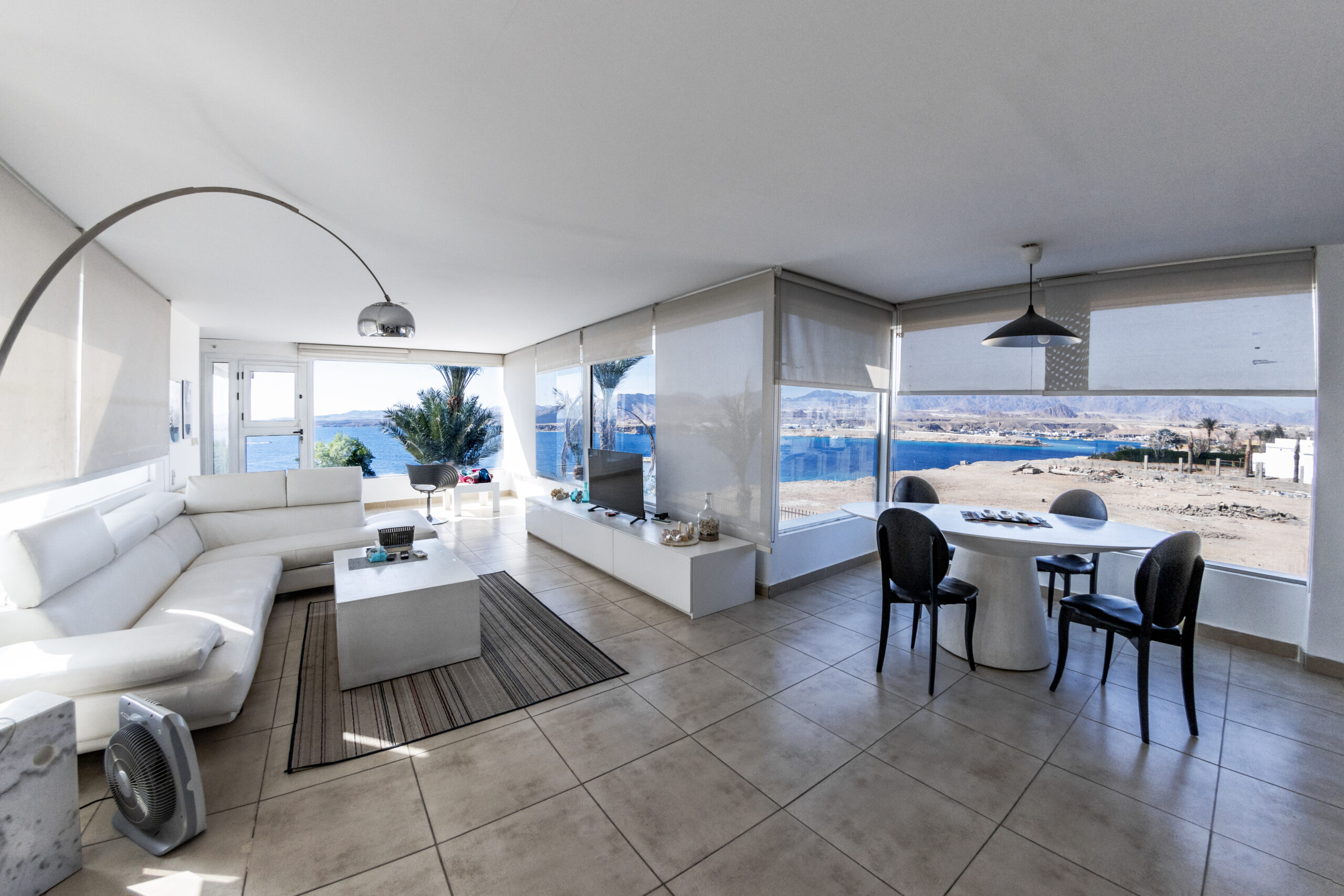
- Carefully designed and furnished spaces
For experienced investors, the answer is clear.
Value Is Not the Same as Price
This discussion is not about judging prices.
It is about understanding value.
In fact, professional investors evaluate properties based on:
- Demand analysis
- Property structure
- Long-term income potential
Therefore, cheap does not mean profitable.
Value and price are not the same thing.
The Decisive Factor: Management
There is one element that defines real success:
👉 Management
An investment does not end with the purchase.
Instead, value grows through proper management.
This includes:
- Continuous improvements
- The ability to renew
- Taste and long-term vision
A well-managed property does not stay static.
Over time, it increases in value.
This is how a real investment works.
You buy today at 90,000.
With the right management, you sell tomorrow at 180,000.
Not by luck.
But by competence.
What’s Next
In a future article, we will explore:
- Long-term rentals
- Short-term rentals
- Property wear and tear
- The real impact of management over time
Because every real estate decision has consequences.
And every decision should be made with experience, not approximation.