

Does It Still Make Sense to Buy a Property in Sharm El Sheikh Under Usufruct?

Does It Still Make Sense to Invest €200,000 in a Usufruct Property in Sharm El Sheikh?
In recent months, many investors have asked the same question:
does it still make sense to invest in a usufruct property in Sharm El Sheikh with a budget of around €200,000?
To answer clearly, we must focus on facts.
This is not about emotions or promises.
It is about numbers, yield, and long-term value.
Property Prices in Sharm El Sheikh (2025)
According to 2025 data from Buildix Immobilien, property prices in Sharm El Sheikh remain competitive.
Apartments and small villas in Nabq Bay, Hadaba, and Naama Bay start at around $55,000.
Independent villas or seafront properties range between $150,000 and $250,000.
By comparison, €200,000 in Europe often buys a small apartment.
Sea views are rare.
Renovation costs are common.
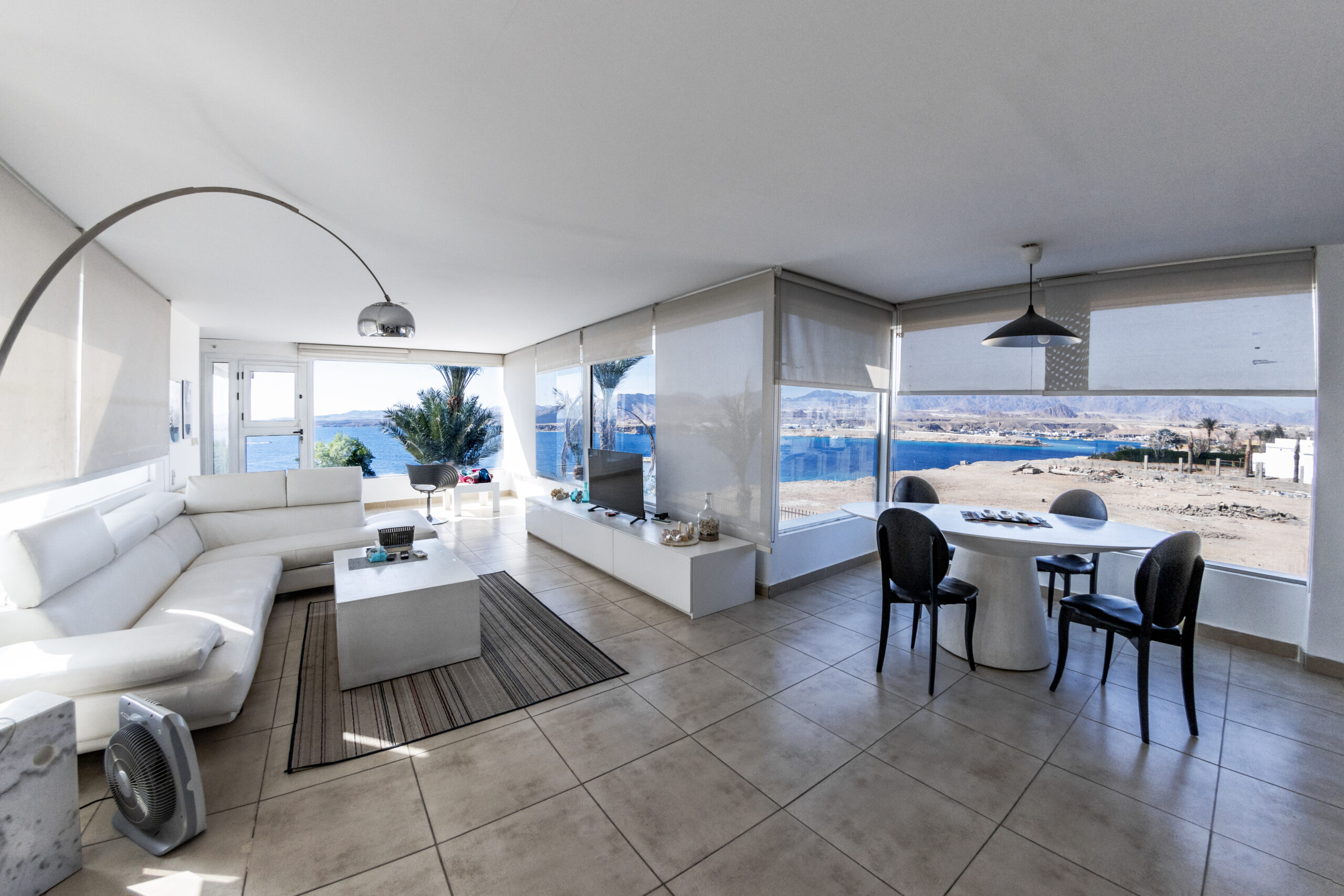
In Sharm El Sheikh, the same budget offers larger spaces, better locations, and higher rental appeal.
What Does Usufruct Mean for Foreign Buyers?
Foreign investors in Egypt buy property under usufruct, not freehold ownership.
However, usufruct should be evaluated financially, not emotionally.
With €200,000 in Europe, you may own 60–70 square meters.
In Sharm El Sheikh, the same investment provides 50 years of usufruct, renewable for another 25 years.
The average annual usufruct cost ranges between €2,500 and €3,000.
This cost can be recovered with a few weeks of rental income.
In practical terms, usufruct allows long-term use and income at a lower entry price.
Rental Yield and Return on Investment
According to Airbtics 2025, rental yields in Sharm El Sheikh remain strong.
Long-term rentals offer an average yield of around 9% per year.
Short-term holiday rentals can reach 15–16%, depending on management and location.
A €200,000 property can generate between €18,000 and €30,000 per year in gross income.
As a result, many properties can pay for themselves within 15–20 years.
After that, rental income becomes net return.
Property Value Growth in Sharm El Sheikh
Usufruct properties in Sharm El Sheikh have shown real price appreciation.
Investors who purchased properties for $20,000–30,000 in recent years
have resold them for $70,000–80,000.
This confirms that demand remains strong.
Limited supply in prime areas supports long-term value.
Economic Stability and Risk Factors
Egypt’s economic outlook has improved in recent years.
According to Reuters, inflation has declined to 11.7%.
S&P Global upgraded Egypt’s rating from B– to B, citing economic reforms.
That said, Egypt is not risk-free.
Currency fluctuations may affect returns.
Professional property management remains essential.
Usufruct vs Traditional Investments
European savings accounts and government bonds currently yield 1–2% annually.
In contrast, a usufruct property in Sharm El Sheikh can deliver significantly higher returns.
It also provides a tangible asset with personal use potential.
For investors seeking income and diversification, the difference is substantial.
Final Thoughts on Investing in Sharm El Sheikh
Let’s put prejudice aside.
This decision is not about ownership ideology.
It is about return on investment.
Usufruct is a legal and financial tool, not a scam.
When structured correctly, it offers solid results.
Sharm El Sheikh remains one of the few markets with accessible entry prices and constant demand.
For investors with a medium-to-long-term horizon, the numbers still work.
Carla Fuochi
Founder, Dream Home
https://blogs.realestate.gov.eg/legal-guide-for-foreigners-buying-property-in-egypt/
https://www.dreamhomebycarla.com/ha-ancora-senso-comprare-casa-a-sharm-el-sheikh-in-usufrutto/